
Online poker Rankings generally refer to three types of things—lists of players or tournaments, platform or room comparisons, and hand or strategy rankings. The problem arises when a decision is made about where to play by looking at a list that combines all three.
The simple rule is: in the ranking where what has been measured, when it was updated, and for whom the list is suitable—if these three are not clear, it is not right to consider it definitive. Therefore, below is a brief arrangement of what to consider first when viewing rankings, and at what signal to stop the shortlist.
First, understand what type of ranking you are looking at
Not all rankings serve the same purpose. First, clarify what question you are actually seeking an answer to:
- player or tournament ranking: to understand whose performance is consistent, what the leaderboard is showing—this is for understanding
- platform or site ranking: to understand where to play, which place has comparatively better lobby, usability, or game availability—this is for understanding
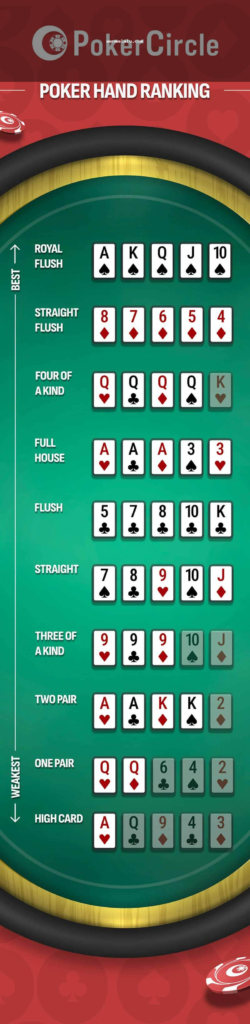
- hand or strategy ranking: for learning game decision-making; this is not a list for selecting platforms
| What you need | which ranking to look at | why it is useful | what to verify first |
|---|---|---|---|
| the quality of players or results | player/tournament ranking | Performance continuity can be understood | scoring method, time limit, live or online |
| Where to play | platform/site ranking | Usability and feature-based comparisons are available | methodology, update date, terms visibility |
| When more action is available | traffic/activity comparison | It can be understood whether it matches your playing time | game type coverage, whether there is time-based information |
| Want to learn strategy | hand/strategy ranking | Helps improve decision quality | Is it an educational chart or a platform list—this should be clear |
Two small refinements reduce a lot of confusion. If you primarily use mobile, online poker site rankings mobile Type-based search helps to separate mobile experience-centric lists. And if you just want to know the leaderboard or results, online poker tournament rankings Writing reduces the risk of platform review and tournament results blending together.
Weak ranking if there is no methodology or update date
Just because a list looks attractive doesn't mean it is reliable. At least ask these questions before believing a ranking:
- What has been measured? Usability, traffic, tournament volume, or just editorial opinion?
- What is the source of the data? Is it mentioned where the information came from?
- Is there a deadline provided? An old list may not match the current situation
- Why has a particular position been given? Simply saying “best” is not enough; an explanation is needed
- Is there any indication of commercial relationships? Whether affiliate or referral is hidden is also important
The biggest caution here is that even if it says “number 1” or “top rated” The methodology is invisible then the real value of that position is very low. Especially in the case of platform comparison, without methodology, update recency, and criteria explanation, ranking can become just an opinion.
Traffic, mobile, and format fit: top rank is not the same for everyone
A list may be good, but it may not be good for you. So after looking at the ranking, compare it with your usage:
- If it is tournament-centric See if the ranking mentions anything about tournament schedule, field size, lobby filter, or format coverage
- If looking for cash game or regular action Traffic or activity comparison has been explained according to specific game type.
- When used from mobile. Check if there is a lobby open, navigation, filter, table readability on small screens, and unnecessary pop-ups.
- If you are a new or casual user. The clarity of the interface, how easily identity checks or account-related terms can be found is more important.
A common mistake here is assuming the mobile experience based on desktop-centric rankings. Similarly, a list created for tournament players may not be very useful for casual users. Rankings are only beneficial when they Your format. and Type of usage. Can be distinguished separately.
Red flags that, if seen, will stop the short list.
If there are multiple signals below, carefully consider either ranking or platform:
- There is a ranking, but How it was done Is not mentioned.
- The date of the information Is not available Or is very old.
- “There are ultimate claims like ”most secure,“ ”fastest,“ ”always the best," but no explanation.
- It is difficult to find terms, policy, account rules, or verification-related information.
- There are unusual redirects in mobile access, forced downloads, or suspicious prompts.
- Conflicting claims on the same issue can be seen in different places.
Keep in mind an additional caution: access or usage-related rules may vary by location, so verify the applicable conditions for yourself before playing.
Go/No-Go rule: Only include those rankings in the short list where (1) the ranking type is appropriate for your goals, (2) methodology and recent updates are evident, and (3) mobile, format, and terms align with your usage. If any of these three are unclear, it is safer to avoid the list, no matter how high the rank appears.